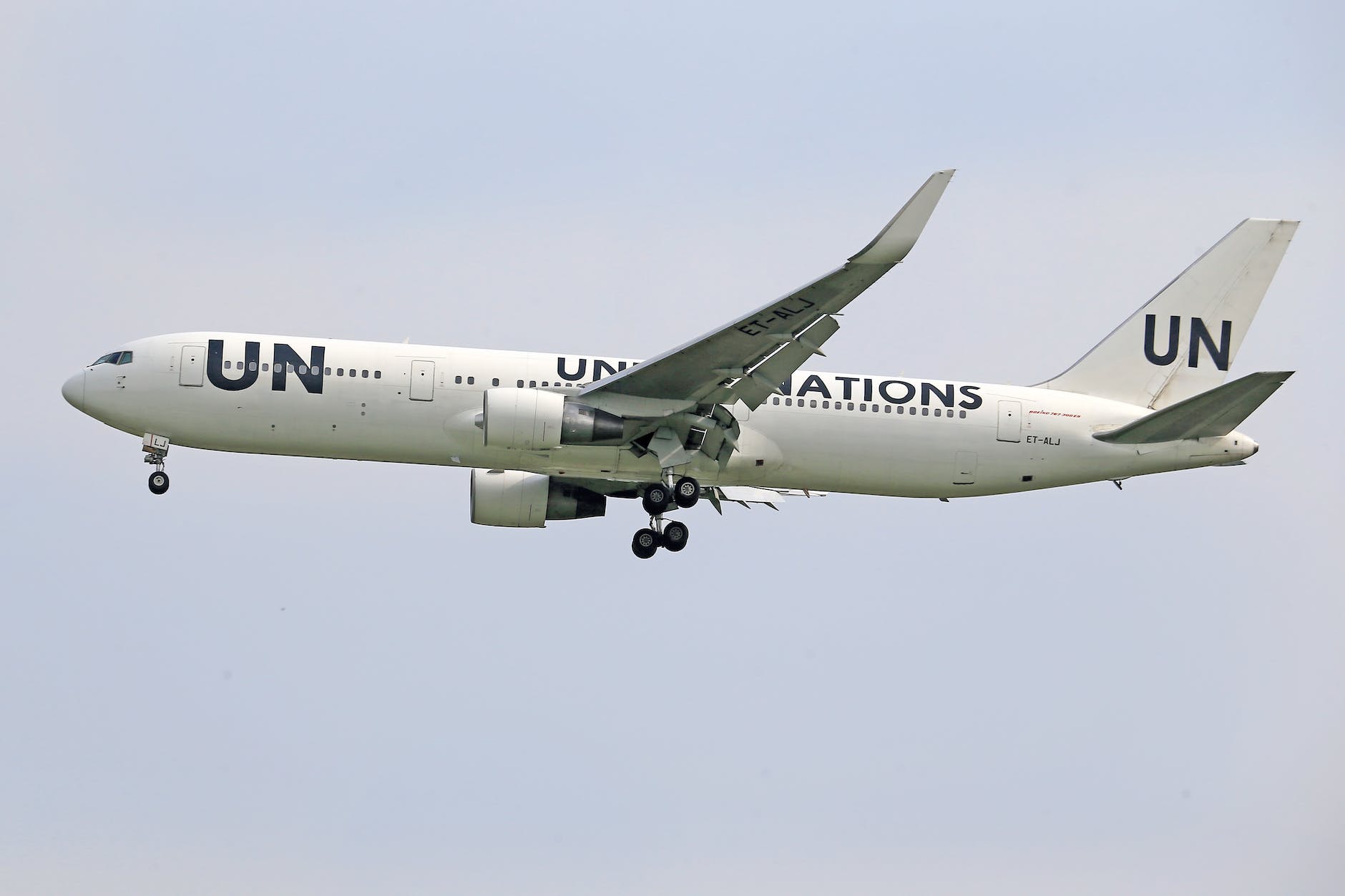
How effective is the UN’s development support?

Photo by Jeffry Surianto on Pexels.com

Max-Otto Baumann This blog post presents insights from my ongoing research on the UN’s development work at the country level. It is based on a review of 28 UN country program evaluations of four individual entities (UNDP, UNICEF, UNFPA, UN Women). Halfway into the 2030 Agenda, with progress on several Sustainable Development Goals (SDG) stalling,… Continue reading How effective is the UN’s development support?

Beyond the rhetoric – why INGOs need to change

Peter Walton Since the 2016 World Humanitarian Summit and the inception of the Grand Bargain, there has been a lot of rhetoric and very little action by large donors and international non-governmental organisations (INGOs) around the commitments made, particularly localisation. After the summit, I felt optimistic at donor pledges that 25% of humanitarian financing would go… Continue reading Beyond the rhetoric – why INGOs need to change

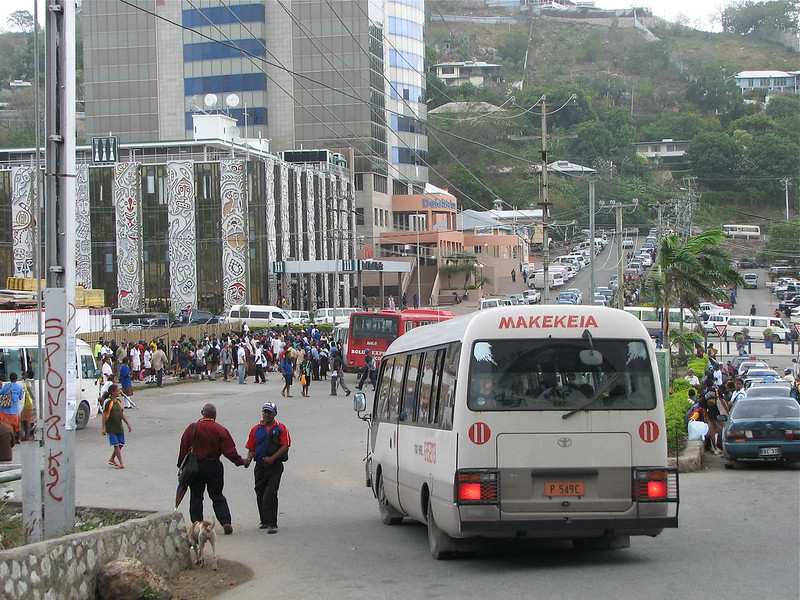
Everyday corruption in PNG: a way of life?

Teddy Winn In PNG there are many laws against corruption. There are also a host of integrity agencies, a new Independent Commission against Corruption, as well as NGOs and donors that support anti-corruption reform. Despite these well-intentioned efforts, findings suggest many citizens are giving up the fight Over the past decade, researchers (see here, here, here, and here) have… Continue reading Everyday corruption in PNG: a way of life?

International development research impact: 10 key insights

Avni Kumar, Danielle Logue, Diana Gonzalez Botero, George Goddard, Juliet Willetts, Keren Winterford, Mel Dunn, Michele Rumsey Now more than ever, decision-making needs to be informed by evidence. The current global pandemic highlights the need for politicians and bureaucrats to ‘listen to science’ and be informed by experts. In light of this ‘importance of evidence’, we turn to consider the value of… Continue reading International development research impact: 10 key insights

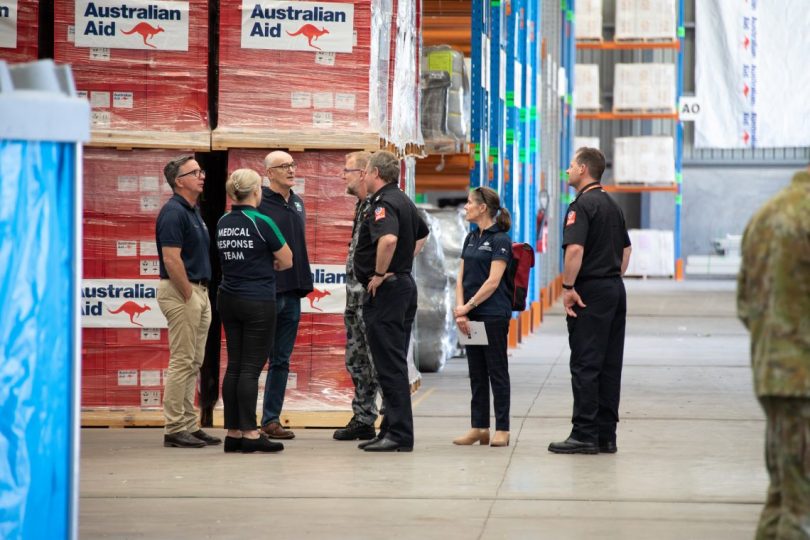
Australian Government cuts aid in the middle of the pandemic

Stephen Howes So far, Australia has contributed 0.6 of one percent to the global fund to respond to COVID-19 Yesterday, I set down on Twitter three tests by which I said I would judge Australia’s 2021-22 aid budget. They were: Will there be any further increases in aid next year? Will the government sustain any… Continue reading Australian Government cuts aid in the middle of the pandemic

Book Review: Aid’s implementariat: national and invisible

Gordon Peake The book’s subtitle ‘The Invisible Labor of International Development’ has a dual meaning. It both reflects that this class of workers is rarely seen and also that much of their work is itself unnoticed and underappreciated. Donor officials are prominent in the performative ‘front-stage’ of aid, cutting ribbons at school openings, launching corporate… Continue reading Book Review: Aid’s implementariat: national and invisible

Sow soy and harvest conflict? The case of land occupation in Brazil

Stefano Falcone The modernisation of the agricultural sector can be an important driver of development, decreasing the amount of labour necessary for farming while pushing farmers to relocate in industry. But why would farmers voluntarily renounce their land and look for factory jobs? Since Smith (1776) economists have debated the violence inherent in this type of transition. In… Continue reading Sow soy and harvest conflict? The case of land occupation in Brazil

The news – good, bad and uncertain – on NGO donations in Australia

Terence Wood Most Australian development NGOs actually did quite well with donations amid the very difficult year that was 2019 with stagnant domestic economy, droughts and bush fires. In one way, 2019 was a good year for Australia’s Development NGOs. The Development Policy Centre analyses financial data, collected annually by the Australian Council for International… Continue reading The news – good, bad and uncertain – on NGO donations in Australia

Adapting and responding to the pandemic: civic spaces in Southeast Asia

People wait in line and maintain physical distance before entering the public market to reduce the spread of COVID-19, Muntinlupa City, Philippines, May 2020. © ILO/Minette Rimando.

Nicola Nixon Focusing on health, food, and information needs, CSOs throughout the region have been working since the first outbreak to help minimise the pandemic’s impact. In many cases, CSOs responded to the crisis faster, more nimbly, and more effectively than governments. Civil society organisations (CSOs) count among the unsung heroes of COVID-19 pandemic response… Continue reading Adapting and responding to the pandemic: civic spaces in Southeast Asia

The diabolically difficult mid-term review of funding programmes

Gordon Peake Trepidation within a donor or managing contractor about reputational damage to their brand is palpable. Success in promotion rounds and winning new contracts depended upon hawking achievements, not tarrying on missteps. No Ambassador or High Commissioner wants the contents of a page-turning review jolting the happy narrative on their social media feed. Contractual… Continue reading The diabolically difficult mid-term review of funding programmes