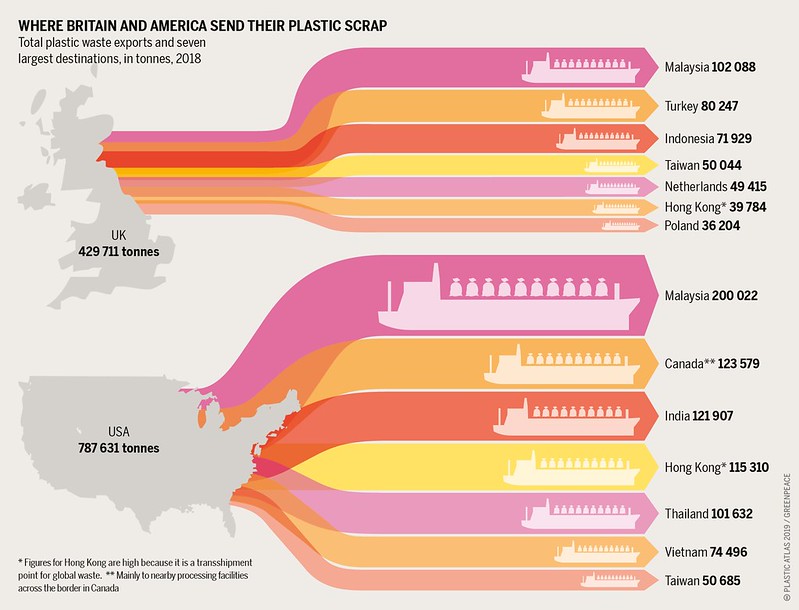
Steve Fletcher, University of Portsmouth The world produces a vast amount of plastic. Global plastic production increased from 2 million metric tons in 1950 to 348 million metric tons in 2017. Yet much of this plastic is wasted: 86% of the world’s plastic waste in 2016 was either incinerated, sent to landfill or leaked into… Continue reading Why the UK needs to stop exporting plastic waste
Author: The Conversation
The Conversation is an independent source of news and views, sourced from the academic and research community and delivered direct to the public.
Just Stop Oil: do radical protests turn the public away from a cause? Here’s the evidence
Colin Davis, University of Bristol Protest plays a role in agenda seeding. It doesn’t necessarily tell people what to think, but influences what they think about. Members of the protest group Just Stop Oil recently threw soup at Van Gogh’s Sunflowers in the National Gallery in London. The action once again triggered debate about what… Continue reading Just Stop Oil: do radical protests turn the public away from a cause? Here’s the evidence
Sewage pollution: our research reveals the scale of England’s growing problem
Sarah Purnell, University of Brighton and James Edward Ebdon, University of Brighton The UK has around 1,500 individual river systems, totalling over 200,000 km in length. It’s common for sewers here to accept both untreated human waste and rain water in a combined system. Water and sewerage companies are permitted to release this wastewater into… Continue reading Sewage pollution: our research reveals the scale of England’s growing problem
Most buildings were designed for an earlier climate – here’s what will happen as global warming accelerates
Ran Boydell Houses will be more prone to overheating, putting the lives of residents at risk, which is what has happened during the recent “heat dome” over North America. Flooding will happen more often and inundate greater areas, to the point that some places might have to be abandoned. Climate change will affect every aspect… Continue reading Most buildings were designed for an earlier climate – here’s what will happen as global warming accelerates
Why South Africa needs a new water agency
Mike Muller Water infrastructure takes many years to plan and build and needs to be structured as a multi-year operation. But the planning and expenditure of government departments, like the Department of Water and Sanitation, is still controlled through annual budgets. These do not support a multi-year planning or allow loans to be raised to… Continue reading Why South Africa needs a new water agency
Grid or solar: looking for the best energy solution for the rural poor
Jörg Peters, Leibniz Institute for Economic Research and Maximiliane Sievert, Leibniz Institute for Economic Research Grid electricity is often said to be critical for long-term human development because it provides sufficient power for appliances and small industries. But are the substantially higher investment costs justified by the economic impact? South Asia has made tremendous progress… Continue reading Grid or solar: looking for the best energy solution for the rural poor
We found a way to turn urine into solid fertiliser–it could make farming more sustainable
Prithvi Simha, Björn Vinnerås, and Jenna Senecal The idea behind it is rather simple. Fresh urine is collected from urinals or specially designed toilets and channelled into a dryer, where an alkalising agent, such as calcium or magnesium hydroxide, raises its pH. Any water in the now alkaline urine is evaporated and only the nutrients… Continue reading We found a way to turn urine into solid fertiliser–it could make farming more sustainable
Top 1% of EU households have carbon footprints 22 times larger than climate targets allow
Diana Ivanova, University of Leeds and Richard Wood, Norwegian University of Science and Technology To keep global warming below 1.5°C, we need to reduce greenhouse gas emissions equivalent to 2.5 tonnes of CO₂ per person per year by 2030. But we recently analysed more than 275,000 household budget surveys from 26 countries for an academic… Continue reading Top 1% of EU households have carbon footprints 22 times larger than climate targets allow
Britain’s public toilet shame: time for equal access to decent facilities for all
Natalie Boyd Williams, University of Stirling; Heather Roxburgh, University of Stirling, and Jennifer Dickie, University of Stirling Research work exploring sustainable ways of managing human waste, pointed to an important topic for reflection post lockdown: the inadequate provision of safe, clean public toilets in the UK that are fit for purpose As lockdown began to… Continue reading Britain’s public toilet shame: time for equal access to decent facilities for all
Siberia heatwave: why the Arctic is warming so much faster than the rest of the world
Jonathan Bamber, University of Bristol On the eve of the summer solstice, something very worrying happened in the Arctic Circle. For the first time in recorded history, temperatures reached 38°C (101°F) in a remote Siberian town – 18°C warmer than the maximum daily average for June in this part of the world, and the all-time… Continue reading Siberia heatwave: why the Arctic is warming so much faster than the rest of the world
You must be logged in to post a comment.