

Trending
Sunday, June 14, 2026
Five billion people at risk from industrial trans fat exposure

A new report REPLACE summarizes country actions to ban industrially produced trans fat and makes recommendations for action to achieve the 2023 goal for global elimination. Six countries restricted industrially produced trans fat since 2018, and another 24 countries, including the European Union, re

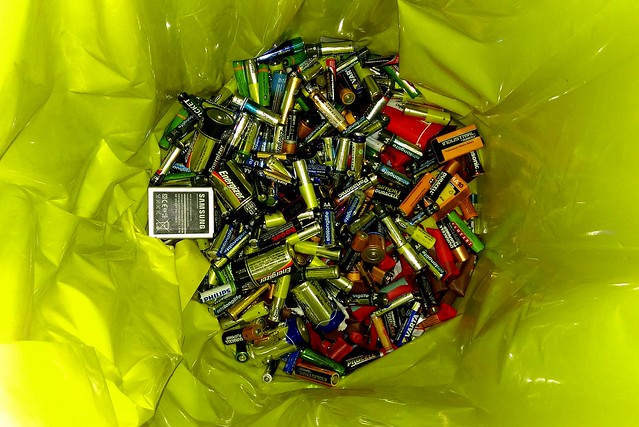
What happens when you throw away pencil cells?

Amita Bhaduri Study reveals how tossing of dry cell batteries in our dustbins poisons the environment A recent study by Toxics Link, an environmental research and advocacy organisation on batteries titled Dead and buried: A situational analysis of battery waste management in India estimate

Rewriting genes could have broad knock-on effects on nature

The emerging field of synthetic biology could affect nature in ways that go beyond single genetically engineered organisms, according to IUCN Synthetic biology – altering or redesigning genes to meet human objectives – is a fast-developing field with significant potential impacts on nature conse

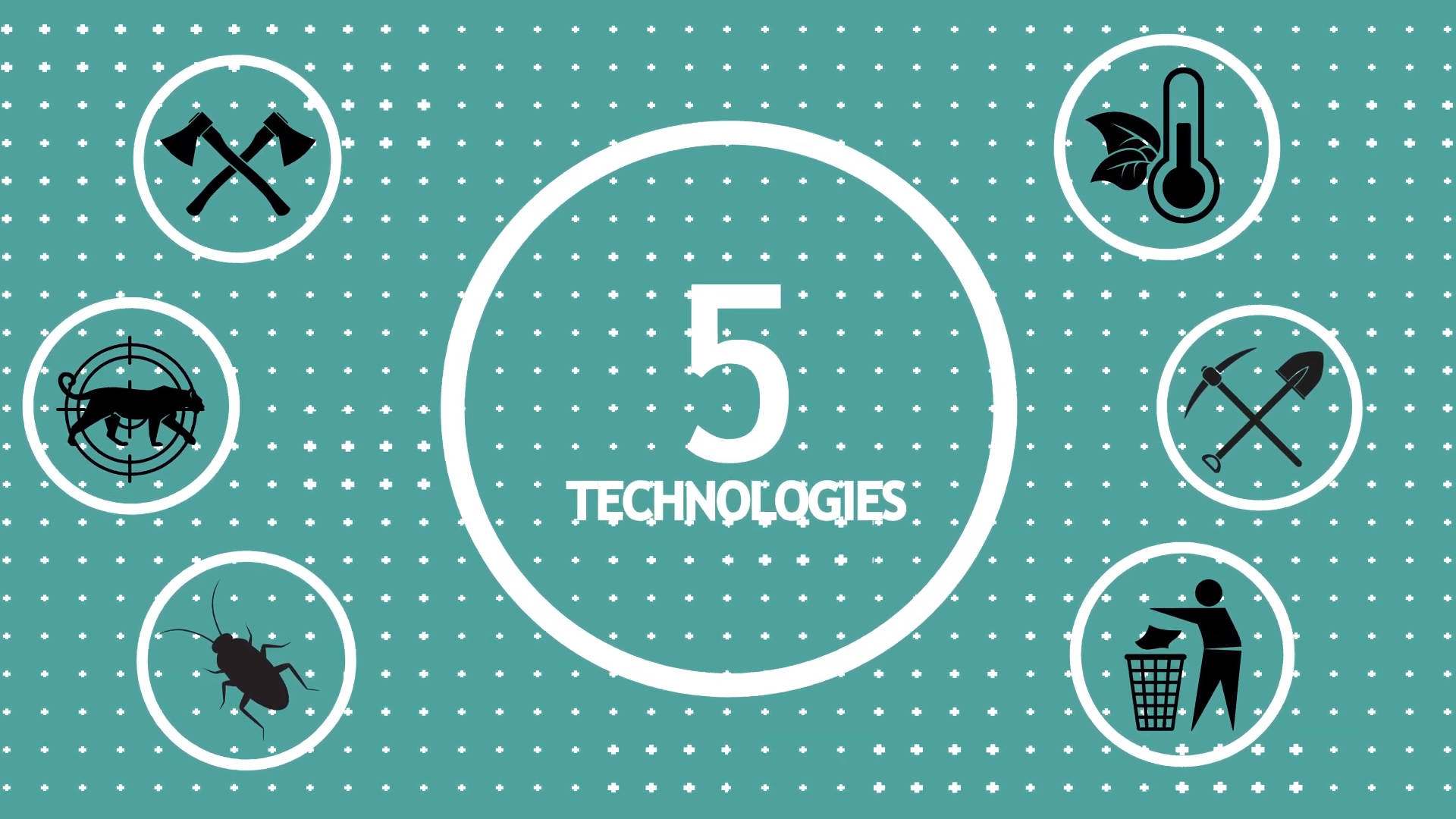
5 low-cost technologies that help protect Latin America’s environment

Innovations enable recycling, tracking poachers and invasive species, and adaptation to climate change Tania Chacón Latin America’s natural wealth is undeniable. It is a cause for both celebration and concern. For example, the region holds the greatest diversity of flora in the world, but at the

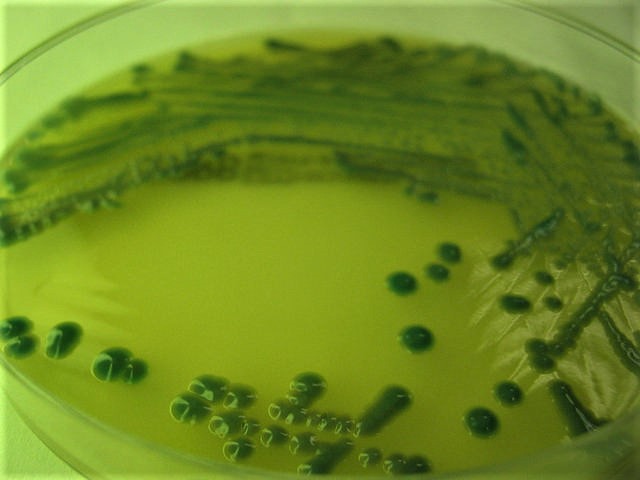
Urgent action needed to avert antimicrobial resistance crisis

International organizations unite on critical recommendations to combat drug-resistant infections and prevent staggering number of deaths each year UN, international agencies and experts released a groundbreaking reportdemanding immediate, coordinated and ambitious action to avert a potentially disa

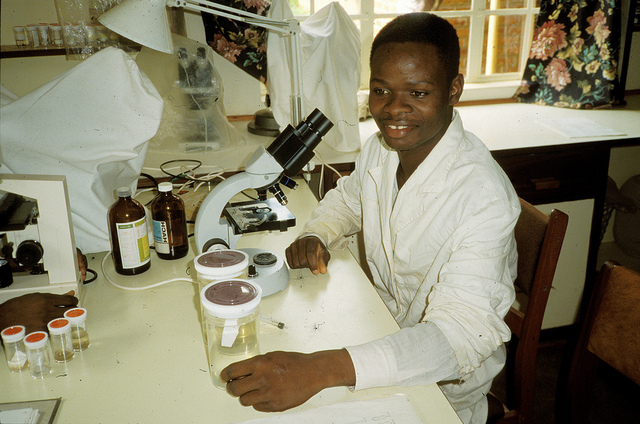
Diseases cost Africa US$2.4 trillion

Stephanie Achieng’ If Africa hopes to reverse the continent’s massive annual loss of productivity due to diseases, it needs to urgently improve efficiency in health spending, an economist says.  According to a new WHO Regional Office for Africa report, based on data from 47 countries, Africa lo

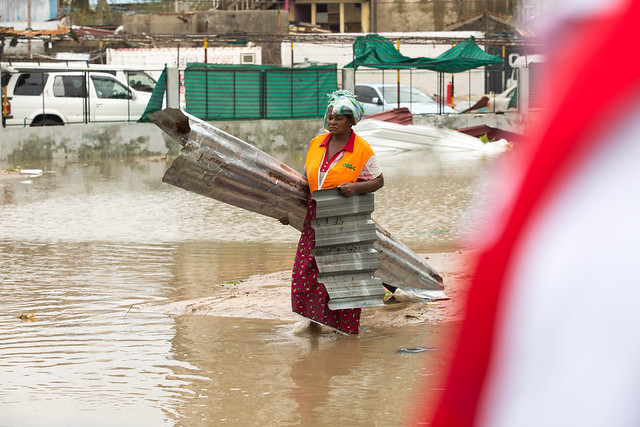
Cyclone Idai shows why long-term disaster resilience is so crucial

Channing Arndt, CGIAR System Organization and Claudia Ringler, The International Food Policy Research Institute (IFPRI) Cyclone Idai struck Beira, the fourth largest city in Mozambique, in mid-March with torrential rains and winds of more than 190 km per hour. It took days for the sheer size of the

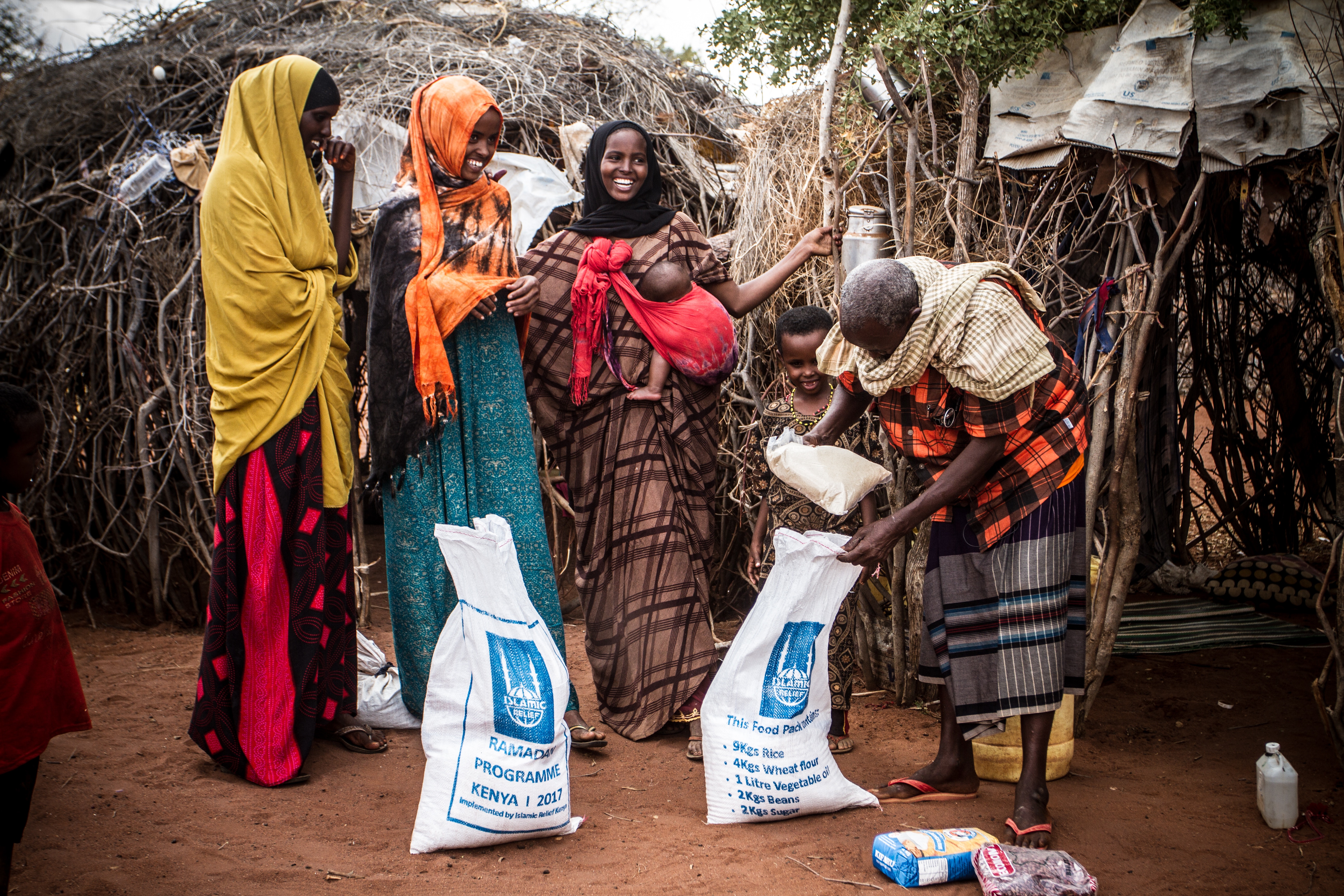
Acute hunger affecting over 100 million people worldwide

113 million people in 53 countries experienced high levels of food insecurity in the world’s most severe food crises in 2018 A report by the European Union, the Food and Agriculture Organization of the United Nations (FAO), and the UN World Food Programme (WFP) finds that around 113 million people

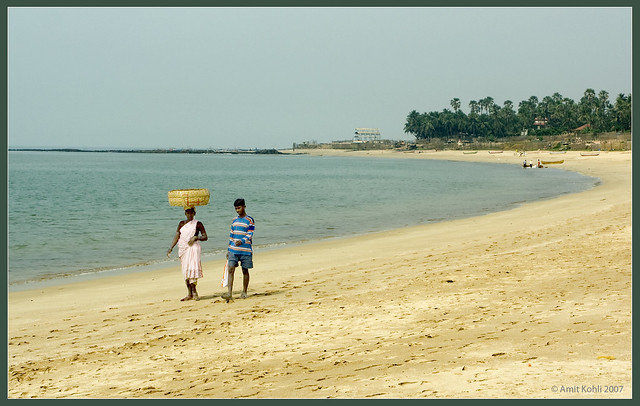
India has lost shore land of Nagpur city size to coastal erosion

Nidhi Jamwal And, these coastline changes are not limited to India alone. A study published last year — ‘Global long-term observations of coastal erosion and accretion’ — has reported that on a global scale, between 1985 and 2015, there has been a net loss of about 14,000 sq km of surface fo

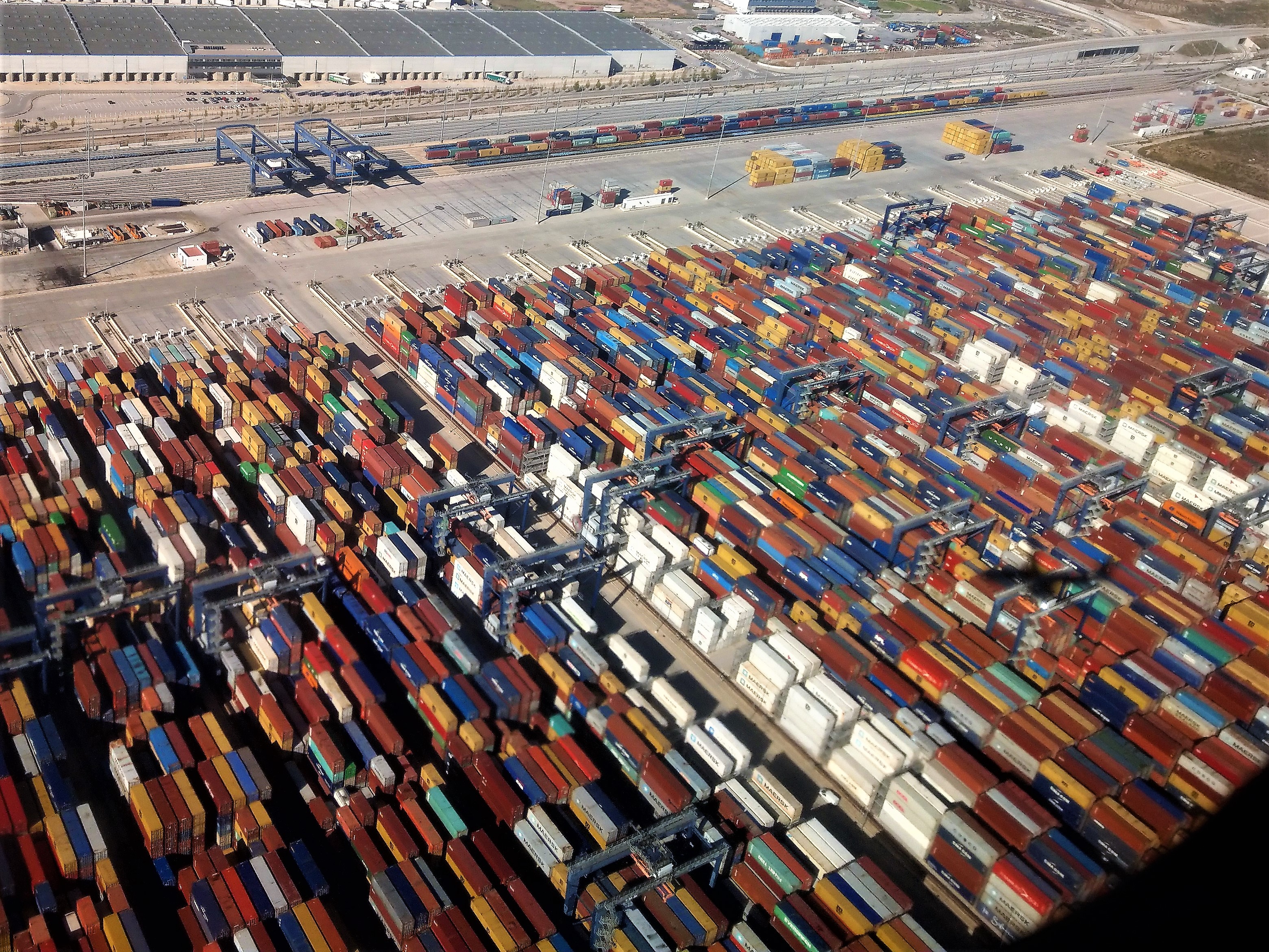
How Insane is Global Trade?

Sean Keller The way trade works in the global economy can be insane – it wastes resources, worsens climate change, and undermines the livelihoods of millions of small-scale producers worldwide. Yet it is an almost unavoidable consequence of de-regulatory ‘free trade’ agreements and the billion

Lorem ipsum dolor sit amet, consectetur adipisicing elit. Minima incidunt voluptates nemo, dolor optio quia architecto quis delectus perspiciatis.

Nobis atque id hic neque possimus voluptatum voluptatibus tenetur, perspiciatis consequuntur.

Email: sample@gmail.com
Call Us: +987 95 95 64 82