Trending
Sunday, June 7, 2026
Informal Cities and Climate Resilience: building an inclusive approach

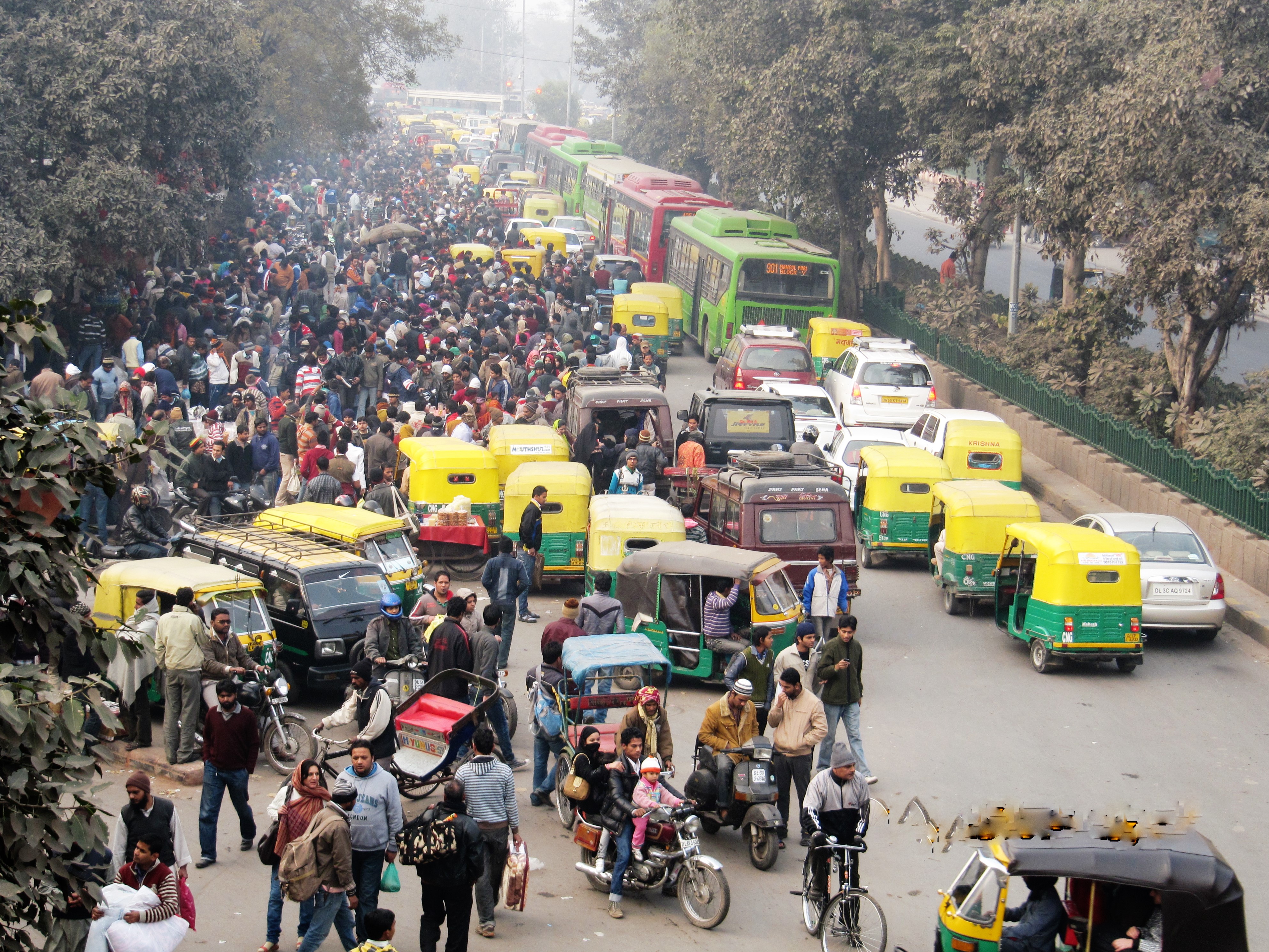
Informal settlements in cities of the developing world fare very poor under the ‘risk reducing’ infrastructure parameters of the IPCC.  Climate change has brought in a unique and complex challenge for cities across the world.  While they have to accommodate the billions of immigrants from rura

Why every day should be World Water Day

Carolyn Johns Most Canadians think of World Water Day as just another international event on the calendar — when water becomes newsworthy for one day in March, on the 22nd. Yet we would be hard-pressed to go without water for just a few hours, let alone one whole day. Depriving ourselves of water

When A River Becomes A Legal Person: A Short Journey Down New Zealand’s Whanganui River

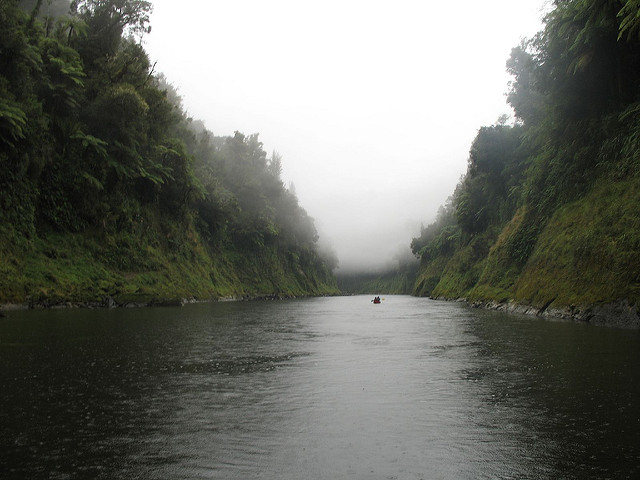
Gary Wockner The Whanganui is the longest navigable river in New Zealand, and its water and the land around it have been at the center of one of the longest legal battles in New Zealand history. In March of 2017, the Maori people living around the Whanganui River won the battle. Rivers are made of [

Why UNESCO’s ‘natural solutions’ to water problems won’t work in Africa

Mike Muller Although nature based solutions are attractive, these solutions are not the ‘green bullet’ that will solve the world’s water problems. Each year UNESCO releases a World Water Assessment Report, a document that explores potential solutions to the globe’s water problems. The 2018 r

Notes from the future: A film on Cape Town Water Crisis

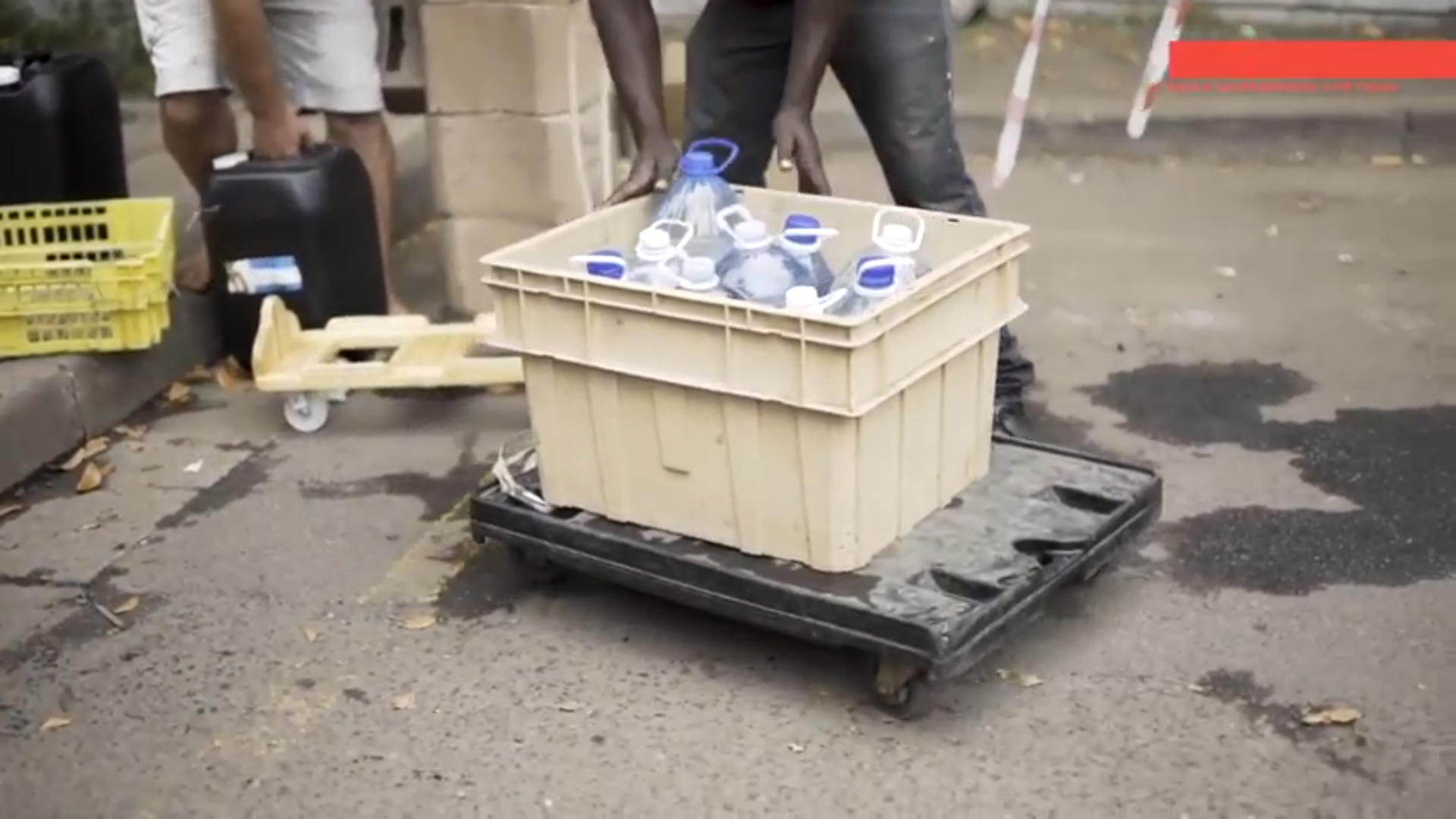
The Cape Water Crisis. A film by Andrea Gema Films, produced by Rosa Luxemburg Stiftung Southern Africa. Cape Town, South Africa, is dealing with a massive and serious water crisis. Cape Town residents have been told not use more than 50 litres of water a day. Fresh water shouldn’t be used for

Let’s not make Cape Town face of our water future

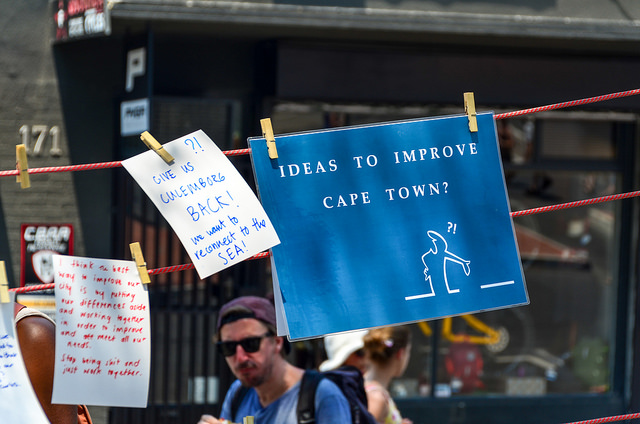
Mega cities, the face of aspiration and progress of the modern world, have a bad news in Cape Town that has become the face of Water Emergency.  According to the United Nations, water scarcity already hits more than 40 percent of the globe’s population and is expected to aggravate further due to

Dhrubajyoti Ghosh, saviour of the East Kolkata Wetlands, believed in people and not policies

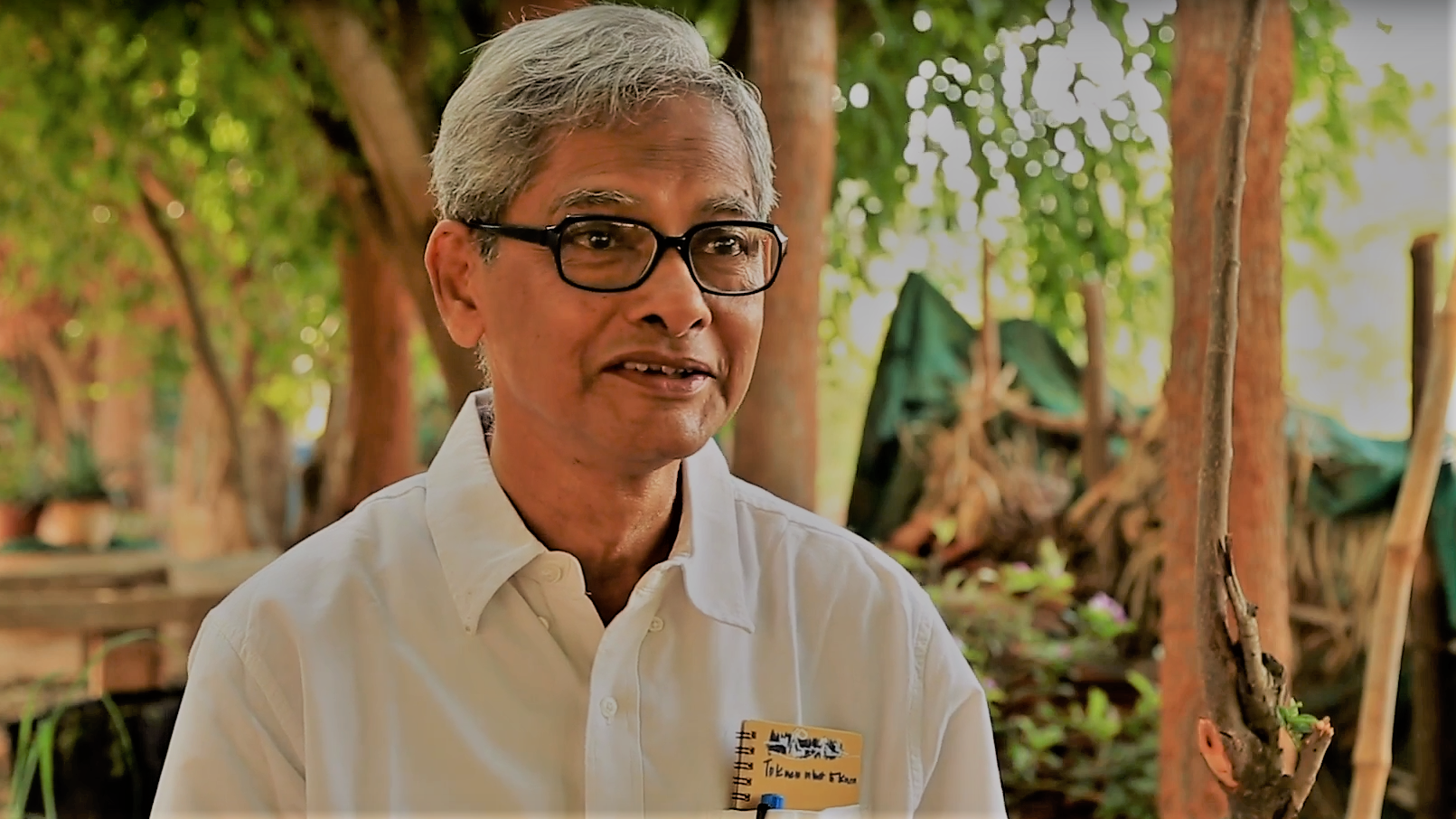
The environmentalist, who died on Friday, fought his battle as a bureaucrat, researcher, academic, public intellectual and activist It was only 10 years ago. On a hot summer afternoon on the banks of the Mahananda river in Malda, West Bengal, we had just finished speaking with a group of village eld

Biodiversity , Environment , Gender , Water / 02/19/2018
Walking across India as a Woman – Moving Upstream

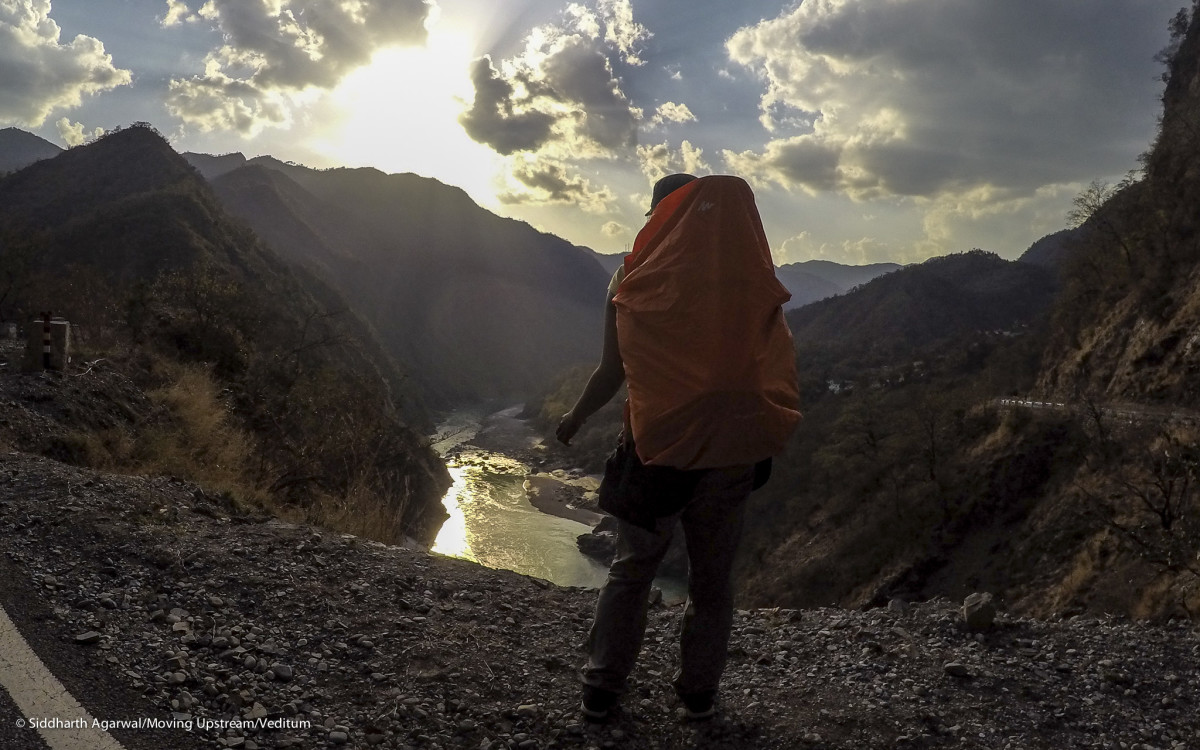
Nupur Agarwal This is a guest blog by Nupur Agarwal. She had joined our Moving Upstream project and walked with us for almost 400 kms from Bijnor, Uttar Pradesh to Gangotri, Uttarakhand along the Ganga as we documented the river. This article was first published in Veditum and has been republish

What southern Africa can learn from other countries about adapting to drought

Andrew Slaughter and Sukhmani Mantel Some arid countries have been forced to develop novel technologies and strategies to survive extremely dry conditions. Australia and Israel, for example, have become more resilient as climate change has brought more frequent droughts. Rainfall in South Africa i

Indian Cities need to have River Pollution Abatement Plans and Task Forces

Cities need to increase treatment, recycling and reuse of wastewater to reduce the amount of untreated wastewater discharged into freshwater bodies by at least 50 per cent by 2030. Ever since the new government at centre came to power, the name of the Ministry of Water Resources was changed to give

Lorem ipsum dolor sit amet, consectetur adipisicing elit. Minima incidunt voluptates nemo, dolor optio quia architecto quis delectus perspiciatis.

Nobis atque id hic neque possimus voluptatum voluptatibus tenetur, perspiciatis consequuntur.

Email: sample@gmail.com
Call Us: +987 95 95 64 82