
Trending
Friday, July 17, 2026
World comes together to tackle mercury poisoning

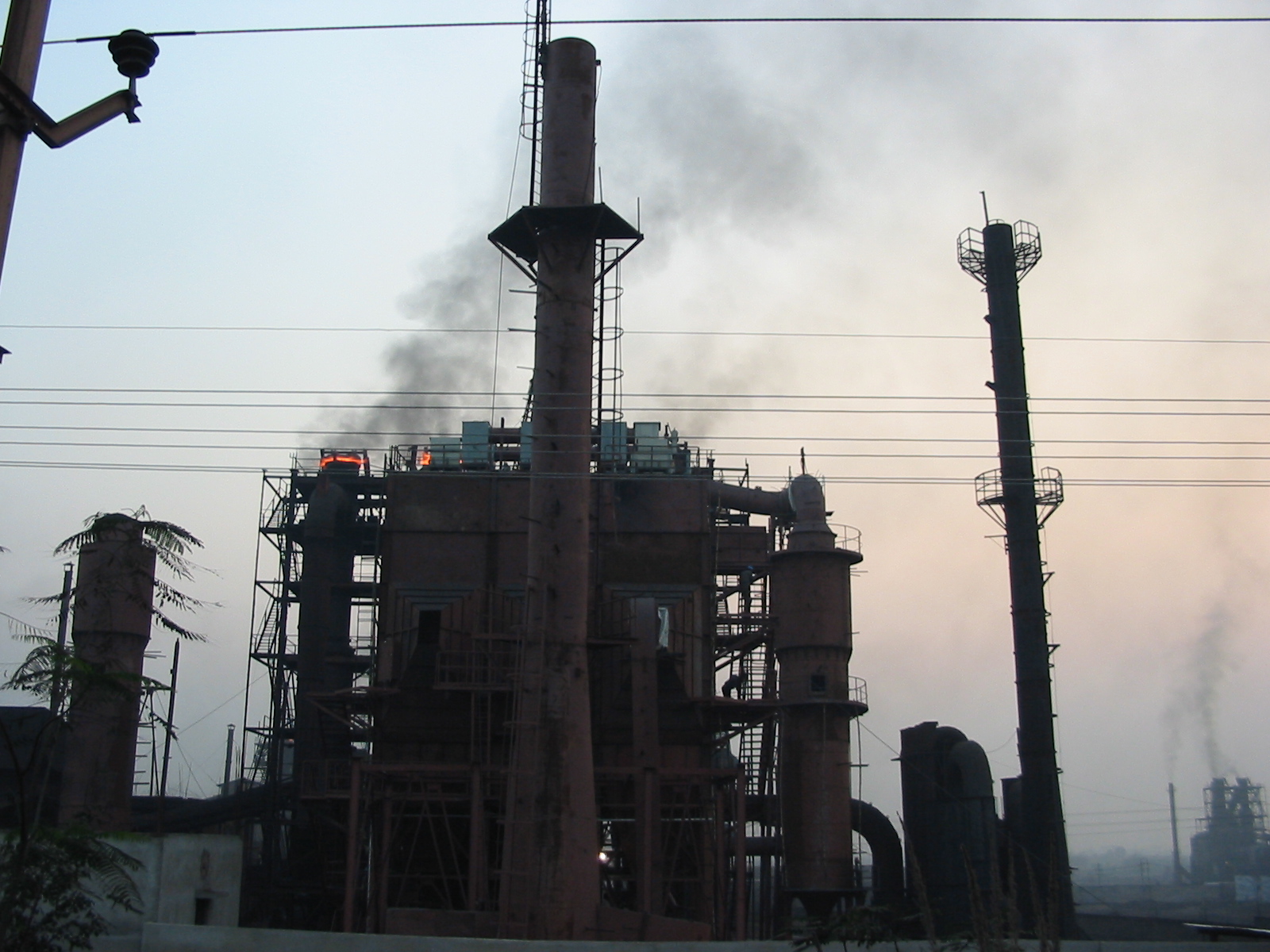
The world’s first Convention to protect the environment and human health in close to a decade, the Minamata Convention on Mercury, enters into force on 16th August 2017 New global agreement to end health risks and environmental damage from mercury pollution Mercury is a heavy metal which accumulat

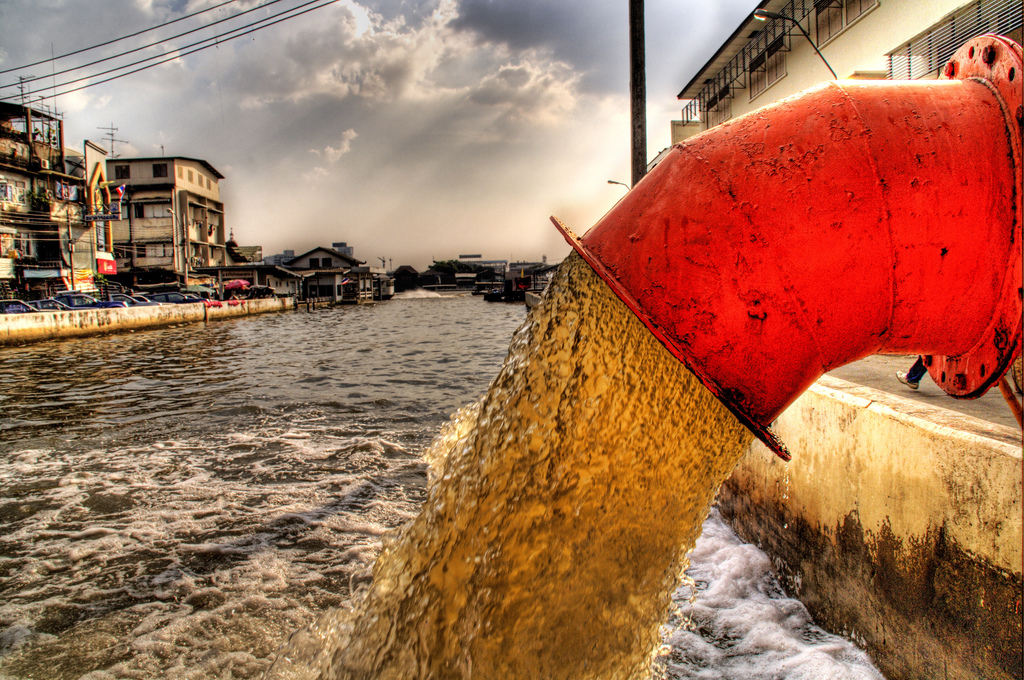
Untreated wastewater from cities expose 885 million people to severe health risks globally

Advanced modelling methods helped determining that 65 per cent of all irrigated areas within 40 kilometres downstream from urban centres worldwide are affected by major wastewater flows Next time when you are lured by the healthy looking fresh vegetables being sold in urban limits or periphery areas

In the depths of the oceans, human activities are beginning to take their toll

Erik Vance Once seen as too remote to harm, the deep sea is facing new pressures from mining, pollution, overfishing and more. Imagine sinking into the deepest parts of the Central Pacific Ocean, somewhere between Mexico and Hawaii. Watch as the water turns from clear to blue to dark blue to black.

12,000 U.S. schools are within a mile of a hazardous chemical facility. What should we do about that?

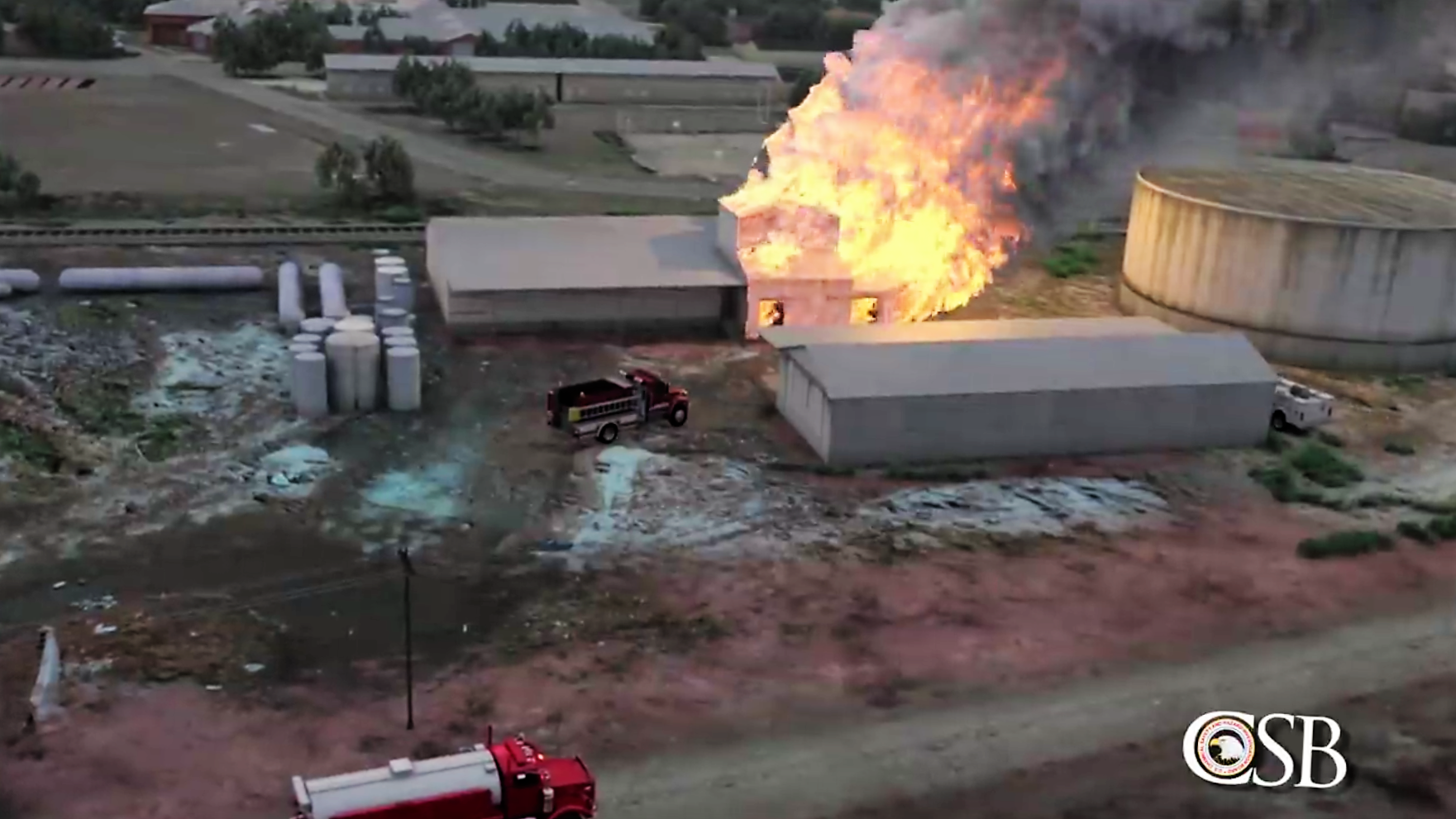
Elizabeth Grossman In the absence of a federal U.S. policy for schools located near potentially dangerous sites, community activists search for safer solutions. On April 17, 2013, an explosion and fire at the West Fertilizer Company plant in West, Texas, killed 15 people and injured hundreds. It als

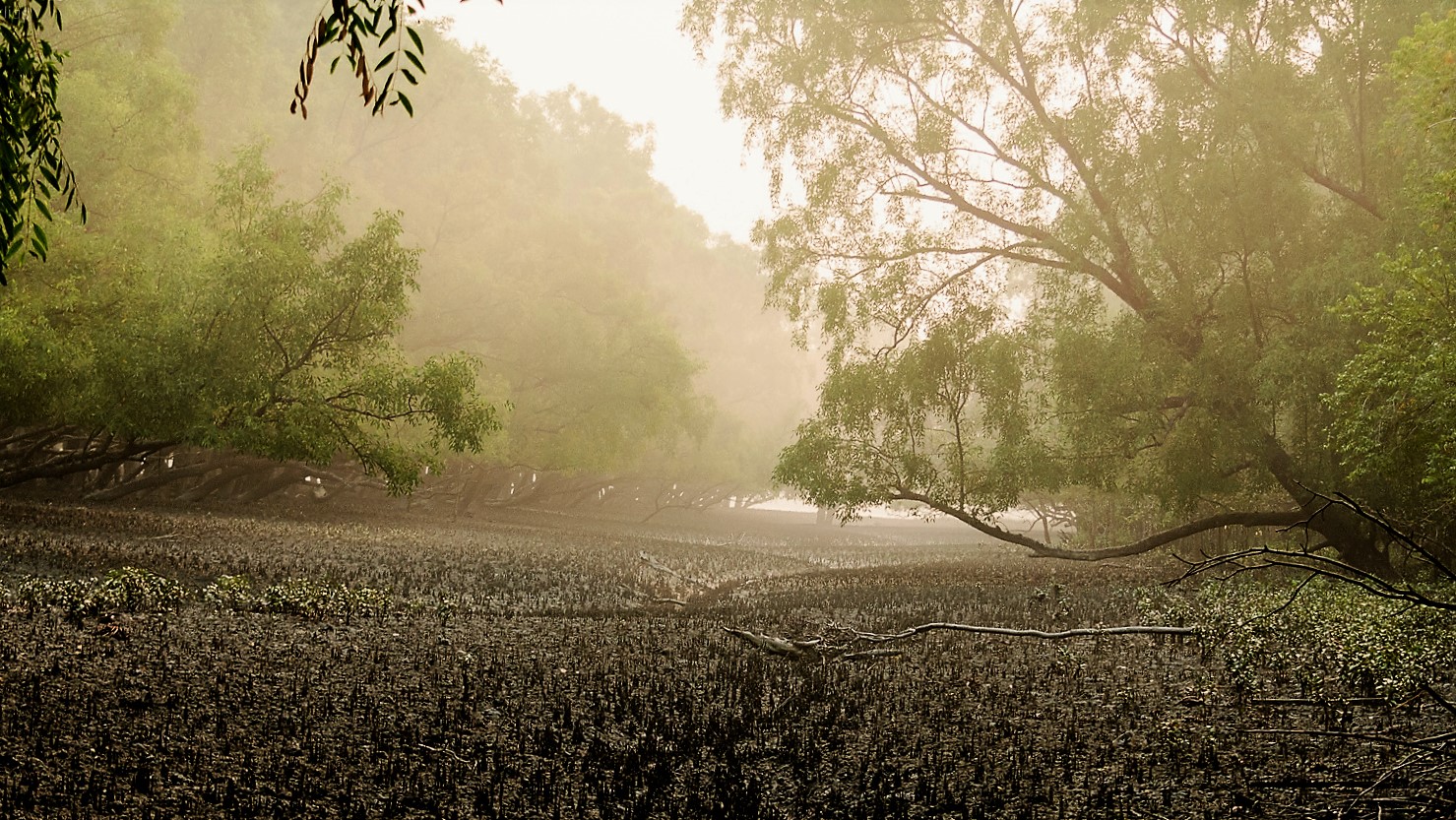
Sundarbans, the world’s largest mangrove forests under threat from a power plant

World Heritage Centre and IUCN call for relocation of Rampal power plant in Bangladesh, a serious threat to the Sundarbans The Sundarbans in Bangladesh is part of the world’s largest mangrove forests, home to the famous Bengal Tiger and a hotspot for dolphins, turtles, and birds. Millions of peopl

If carbon pricing is so great, why isn’t it working?

Peter Fairley Political hurdles and low prices have made carbon pricing a low-impact affair. But there’s still hope it can help limit climate change. Earth’s atmosphere has long served as a free dump for carbon dioxide and other greenhouse gases generated by humans. That is changing as policy-ma

Widespread ingestion of packing chemicals revealed

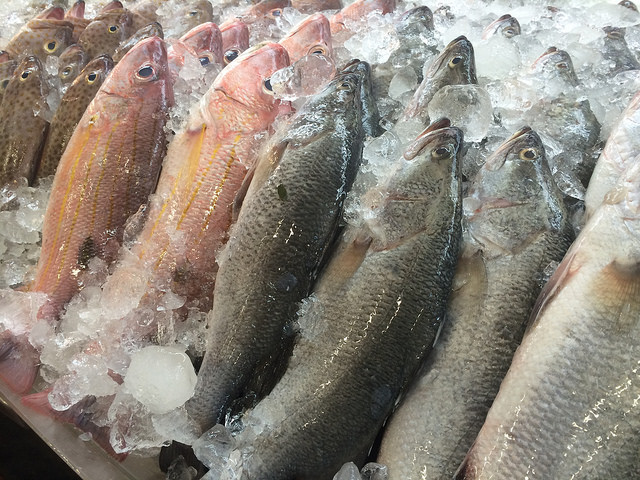
The growing use of plastic food containers in developing countries means their citizens are now exposed to as much bisphenol A (BPA) as those in rich countries, a research review has found The paper, published in Food and Chemical Toxicology earlier this month compiles data from 16 studies. It found

Coal is parching the planet as well as cooking it, says new report

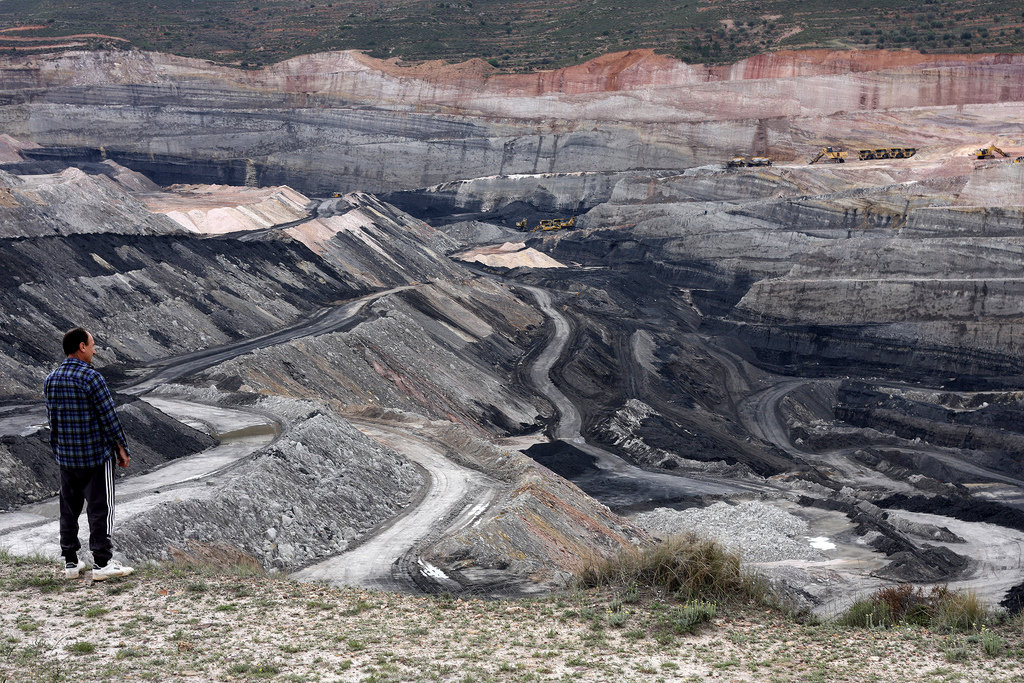
John McGarrity A new report outlines how coal use is the number one threat to water supplies The burning of coal isn’t just cooking the planet through climate change, the fossil fuel is using large amounts of water in parts of the world where supplies of the most precious of natural resources

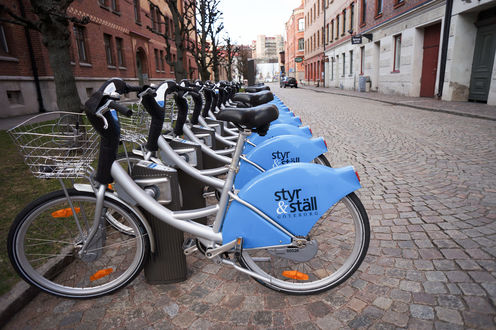
The global bike sharing boom – why cities love a cycling scheme

Alexandros Nikitas The benefits of bike sharing schemes include transport flexibility, reductions to vehicle emissions, health benefits, reduced congestion and fuel consumption, and financial savings for individuals. As urbanisation and modernisation reach unprecedented levels, road congestion has b

Campaign: A toddler’s plea to clean the beaches

Juan Vargas A toddler’s plea to help her clean the world’s beaches so she doesn’t have to play with trash and cigarette butts

Lorem ipsum dolor sit amet, consectetur adipisicing elit. Minima incidunt voluptates nemo, dolor optio quia architecto quis delectus perspiciatis.

Nobis atque id hic neque possimus voluptatum voluptatibus tenetur, perspiciatis consequuntur.

Email: sample@gmail.com
Call Us: +987 95 95 64 82